Saturday, December 17, 2011

Yamaha R6

Yamaha R6
Yamaha R6


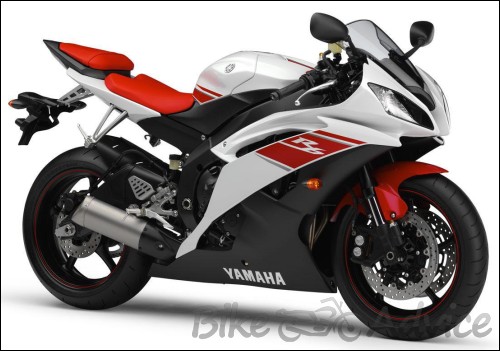
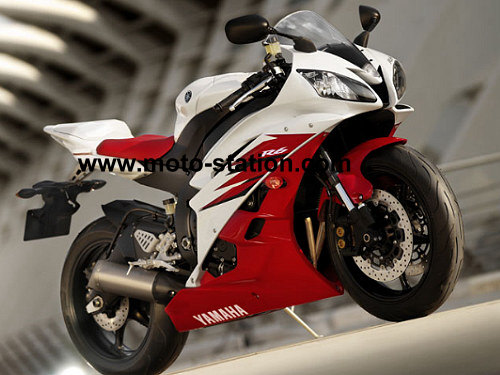
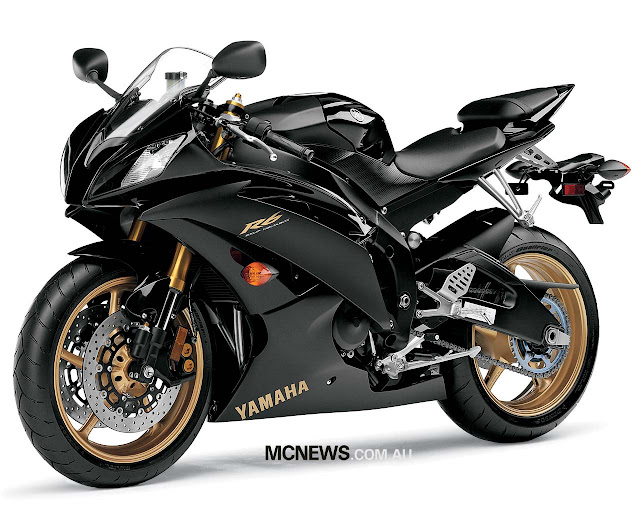
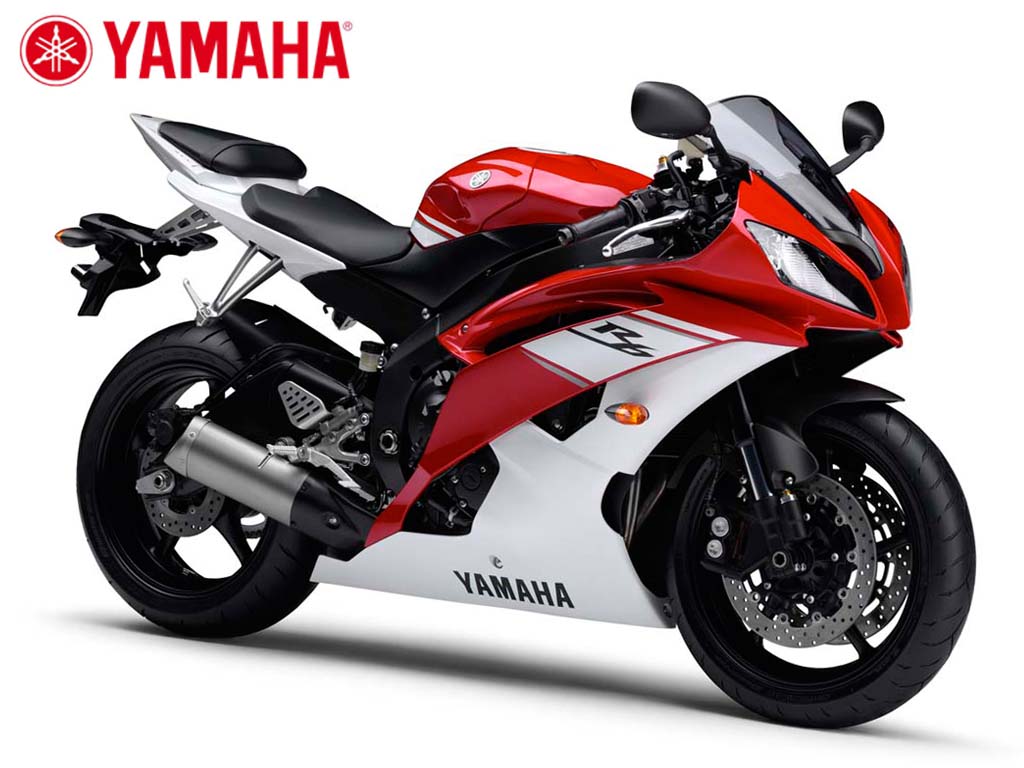
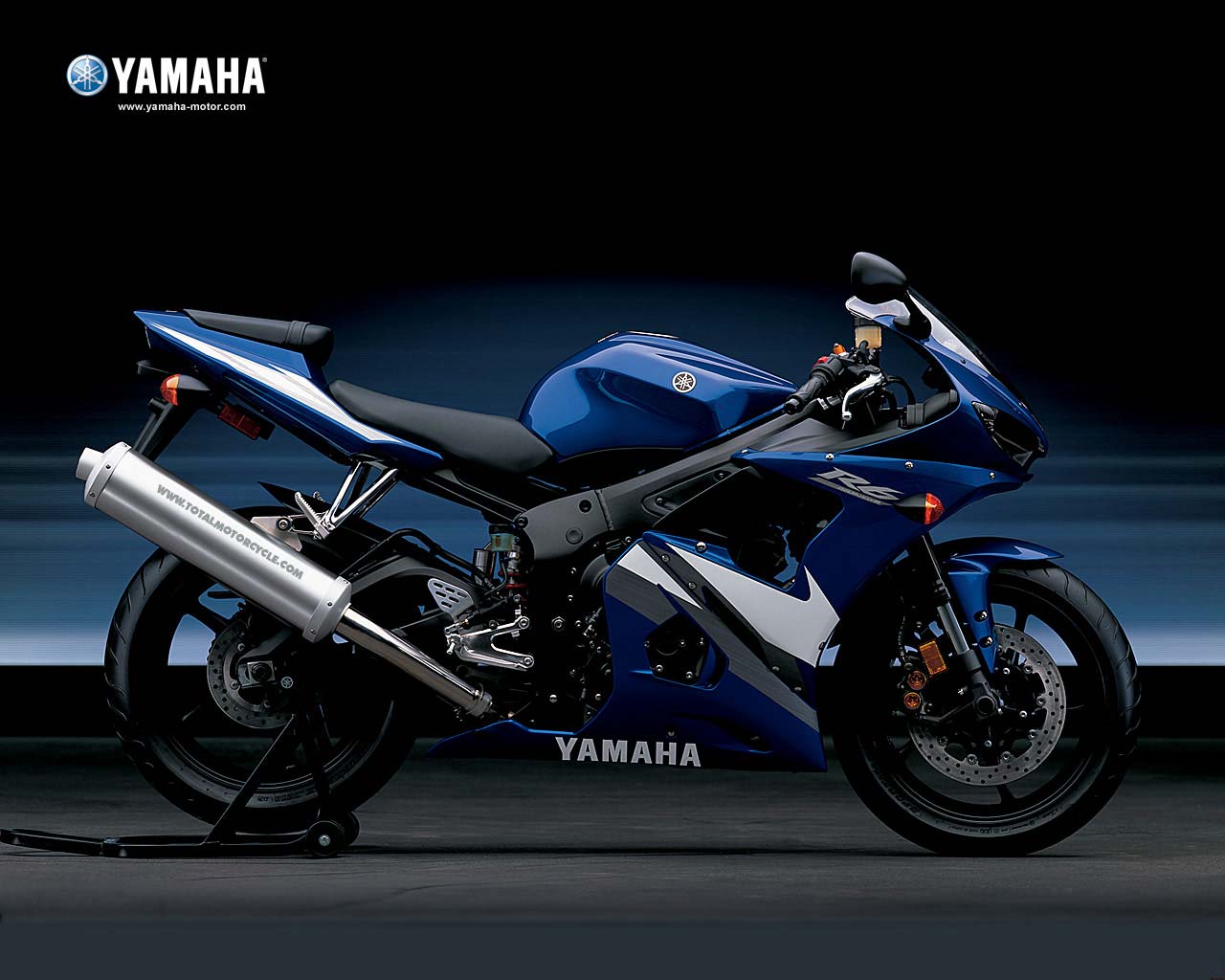
In the world of sports bike, Yamaha R6 dominates the segment with its 600 cc engine. The R6 model was first launched in the market by the Japanese giant Yamaha in the year 1999 and later on in the subsequent years Yamaha R6 models have undergone modifications. However, Yamaha R6 Motorcycle should be taken as a series and every year Yamaha launches one variant of R6 motorcycle.


Yamaha R6
Yamaha R6Yamaha R6

In general, it is presumed by bikers across the world that Yamaha R6 models are nothing but dream bikes for most sportsmen and privileged bike lovers. The first Yamaha R6 sports bike was made to generate a power of 120hp and a dry weight of 169kgs. This racing bike at that time was available in sporty blue and red colors. Several refinements led to the newer versions in 2001, 2003, 2006 and finally 2008 which has the most recent R6 motorcycle.
In the Yamaha R6 models of the year 2001, the weight of the bike was reduced by 2 kilos, and there was enhancement in the tail section styling and also possibility for greater under seat storage. After this, there was improvement of Yamaha R6 models in terms of a totally new chassis. There had been improvement with respect to engine as well with fuel injection system, and weight had gotten further reduced to 162 kgs and headlight was available with new styling. Mistral Grey, another color option got added with Yamaha R6 models along with these improvements. The front suspension of Yamaha R6 models also underwent transformation from telescopic fork to adjustable inverted fork for better performance.
Yamaha R6
Yamaha R6


Yamaha R6
Yamaha R6


Yamaha senior officials are of the opinion that there is no end to development so improvements will continue with inputs and knowledge from racing experience. The latest 2008 Yamaha FZ R6 model is inspired from Moto-GP technology for better handling and greater balance in the twists and turns of roads. In this model, the die-cast aluminum frame is modified to make it stiff in some places and flexible in other areas. Additionally weight is reduced by using a rear sub frame made of magnesium. The rider position is altered for more comfortable riding experience than the earlier R6 versions. The rider now feels at one with the machine and that was the motive behind the change.
Yamaha R6

For greater mileage and high performance the engine parts such as connecting rod bearing, tensioner, cam chain and so on so forth got strengthened in the subsequent Yamaha R6 models.
However, the most recent Yamaha R6 version looks more stylized, neat, refined and sharper than its forerunners. Yamaha YZF R6 model delivers 133 PS @ 14500 rpm and torque of 66 Nm @ 12000rpm. It has the option of electric starter and TCI (Transistor Controlled Ignition) system. The fuel tank capacity is at 17.5 liters.
The Yamaha R6 motorcycles are good at the first place but further innovation makes it competitive in international sports bike segment with designer touch in styling and engineer’s brain in performance.

The Grand Prix Commission approved various rules changes with effect from the 2012 season

The Grand Prix Commission, composed of Messrs. Carmelo Ezpeleta (Dorna, Chairman), Ignacio Verneda (FIM Executive Director, Sport), Herve Poncharal (IRTA) and Takanao Tsubouchi (MSMA) in the presence of Javier Alonso (Dorna), Mike Trimby (IRTA) and Paul Butler (Secretary of the meeting), in a meeting held on 14 December in Madrid, decided the following:

Sporting Regulations

A revised wording of the testing regulation was approved. This incorporated the various decisions made earlier in 2011 concerning this matter.

Additionally it was decided that contracted riders in the MotoGP class may also test machines using the allocation of 240 tyres available to each manufacturer's team. Previously such testing was restricted to test riders only. In the interest of fair competition it was also agreed that other MotoGP class riders could exclusively test their team machines with a limit of 120 tyres per rider.

It was agreed that riders who did not qualify for the race based on their time in the qualifying practice can qualify if they achieve a time at least equal to 107% of the fastest rider in the warm up. This is an addition to the previous regulation which only considered free practice sessions.

Under the regulation concerning MotoGP class riders starting the race from pit lane due to an engine durability sanction, it was agreed that in future they will start ten seconds after the green light is shown at the pit lane exit.

Riders in all classes may now use a starter engine on the grid. For all classes tyre warmers may now remain in place until the display of the one minute board. Generators must still be removed at the three minute board.

Technical Regulations

With effect from 2012, for all classes, it will be compulsory to display a red rear light in rain conditions.

The minimum weight limits for 1000cc machines in the MotoGP class will be increased from the current 153 kilos.
- Effective from 2012: 157 kilos
- Effective from 2013: 160 kilos

The permitted wheel sizes for the Moto3 class were confirmed as:
Front 2.50" x 17" only
Rear 3.50" x 17" only

Several detail changes to regulations, submitted by the Technical Director were all approved.

A list of MotoGP class entries for 2012 was considered by the Commission. The list contained nine entries plus one reserve entry using CRT machinery of various types. Participation of all CRT entries was approved by the Commission on the understanding that the granting of CRT Status was subject to review by the Grand Prix Commission at any time.

Saturday, December 10, 2011

American Chopper Modification

In a previous occupation, I was a sales representative to a family business that was must see TV—without the television set. Their family dynamic was off the hook.

The business was started by the father, Senior; the mother took care of the books; oldest son, Junior, made the deals, and two more siblings worked in operations. From time to time, Senior and Junior would get into a screaming match over something—and it couldn’t have been more entertaining.

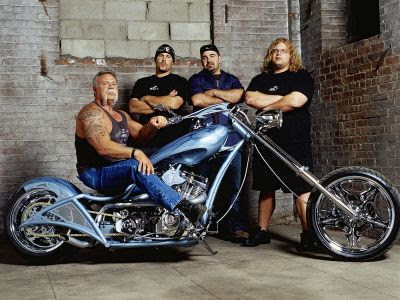
I thought of this family when, years ago, I caught the first episode of American Chopper. Paul Sr.’s yelling and blustering to his sons, Paul Jr. (Paulie) and Michael (Mikey), reminded me of my former client.

Motorcycles are not my thing; this show’s appeal is strictly the family dynamic.

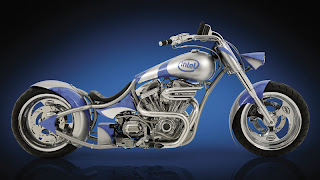
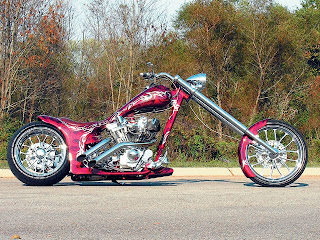
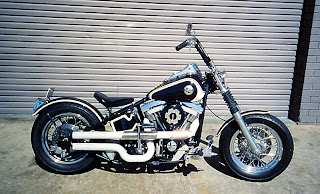
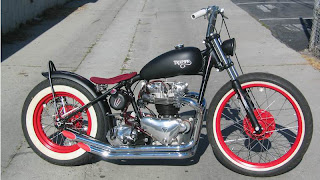
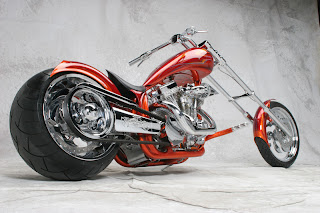
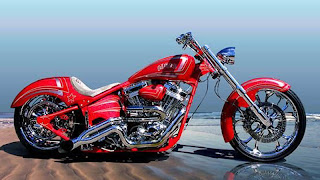
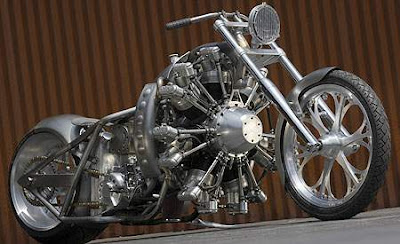
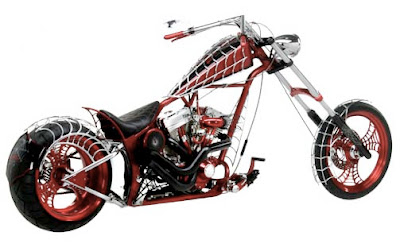
Previously, father, sons, and the talented staff of Orange County Choppers worked side-by-side creating custom choppers—truly beautiful works of art on two wheels—for corporations, celebrities, and organizations that auctioned them off for charity. My favorites are the Black Widow and the Fire bikes.

OCC Fire Bike Photo: OCC

Like my former customer, Paul Sr. is a self-made man—a successful business owner with world famous brand. But he is also a recovering alcoholic, married twice and estranged from his three sons. He admitted, “I don’t talk to none of my sons… or they don’t talk to me.” (Son Daniel runs Orange County Ironworks, the original business that begat OCC.)

The old man and his sons are the center of the show, and this season, Paul Sr. is its dysfunctional core. Over the years, he and Paulie have clashed about their differing work styles and other issues which culminated in Paulie’s firing last year. But this season, the hostility stems from a lawsuitbetween father and son regarding ownership shares of OCC.

Photo: OCC

The old man is angry about Junior’s announcement that his new company, Paul Jr. Designs, is entering the family industry—custom choppers. He set up shop across the street from the original OCC garage and gathered some of the talent that helped build that business including his friend of many years, Vinnie DiMartino, and painter Robert “Nub” Collard. This competition has brought out the worst in the father.

The old man is lunacy on two wheels: he was enraged when Paulie wouldn’t work (at least to his standards) and now he’s totally bent out of shape that Paulie is working and doing what he knows and likes best – creating and building motorcycles.

Senior’s rants reflect the bad blood between these two: they make him appear bitter, mean-spirited, and practically a cheerleader for the failure of his son’s new venture.

He now seems obsessed with Junior. Senior drives by the new shop frequently, follows all of Junior’s moves on radio and TV, asks a group of students on a fieldtrip about what’s going on at Junior’s shop, and even tries to bribe a former staff member not work for Paulie. In one of his many turns as victim, Senior complains when his request to meet with Mikey is refused. His bitching and moaning about Paulie seems to have no end in sight and I’m not sure who I feel worst for—the son who has to put up with the slings from the old man or the old man’s employees who have become a captive audience to the vitriol regarding his son.

OCC Xmas Bike Photo: OCC

Junior, on the other hand, doesn’t spit quite as much fire as his old man. He gets his digs in but he’s so focused on getting his new business going, landing his first paying client (GEICO Insurance), and a wedding to his new wife that he knows that he doesn’t have time to bother with that nonsense.

On his own as he was at the end of last season, Senior is a loud, blustering bore. I now find myself fast-forwarding through the scenes of Paul Sr. because I can’t take his complaints about Paulie seriously. It all sounds like resentment and jealousy.

Paulie told the New York Post: “I’m always hopeful for a reconciliation but sometimes these things happen for a reason. Even though you never want dissension in any family, especially with your father, this has allowed me to break out and do things on my own.”

Caught in the middle of this drama is youngest son Mikey who, like his father, is a recovering alcoholic. Paul Sr. has said on more than one episode that he kept Mikey around because Mikey always made him laugh, and he was the perfect court jester for the always bellowing king. Sadly, Mikey’s departure underscores Paul Sr.’s general unpleasantness whose bark is no fun without a foil to play to. Conversely, Mikey and Paulie seem to have a good sibling relationship with Paulie supporting Mikey’s efforts to find and define himself with his various endeavors.

Mikey admits that ironwork was akin to torture for him and is now gone from both family businesses (he also worked at OC Ironworks). He is now trying to find the life’s path that best suits him. So far, he has tried stand-up comedy, music, art, and participating in charity fundraising events.

Senior and Junior’s split prompted TLC to cancel American Choppers earlier this year. After all, chopper assembly is not that interesting when everything is running on deadline without both focal points to create the real (family) drama. But within their dysfunctional rivalry, TLC saw a new angle and reinstated the show as “Senior vs. Junior.”

The cliffhanger of the Senior vs. Junior story will be the ongoing lawsuit which could possibly run for years but the success or failure of Paul Jr.’s shop will be the most interesting part of this new incarnation of the American Chopper story.

American Chopper Modification


http://usaautotransport.blogspot.com/

http://usaautotransport.blogspot.com/

http://usaautotransport.blogspot.com/

http://usaautotransport.blogspot.com/

http://usaautotransport.blogspot.com/

http://usaautotransport.blogspot.com/

American Chopper Group

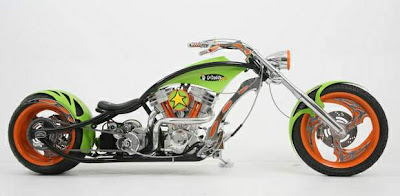
Jesse James American Chopper
American Chopper
American ChopperJesse James Chopper
American Chopper
American ChopperAmerican Chopper Modification
American Chopper
American Chopper
American Chopper


Thursday marked the final episode of American Chopper, ending a six year run on Discovery and TLC.

This past season has been a disaster. Sr and Jr's split in the first episode pretty much killed the series. These two idiots let their tempers and egos kill one of the most successful 'reality' franchises ever built. Since that first episode, we've been bored to tears by Jr's attempts to start a design firm on his own, Sr's attempts to convince everyone the split wasn't his fault, and Mikey's attempts to become an artist, a musician, a stand up comic, and a recovering alcoholic. Just horrendously boring. The only thing that kept any interest was waiting for the inevitable reconcilliation that would ge the three of them back together. It never came.

Orange County Choppers narrowly avoided bankruptcy last year. They had to layoff a bunch of employees and cut back on operations and expenses. I seriously doubt it will survive this. What Sr and his 'business' people don't seem to grasp is that without the series, OCC is just a collection of pretentious egos, folks who have a much larger opinion of themselves than the motorycle buying public does. The rest of the 'chopper' world doesn't think much of them and their products. Their 'production' choppers don't sell very well - too high priced. Their merchandise sales have nose dived through this past awful season.

The 'business' people who pushed their way into OCC convinced Sr that he had to expand, he had to become worldwide, he had to franchise the OCC name even more than it had been. This was a disaster ... combined with the economic downturn, a new multi-million dollar world HQ, and the on-screen split between the principle characters, OCC was put in a very bad business position. Heck, they even opened a Ducati dealership inside OCC's headquarters, a move that thoroughly alienated the American V-Twin public.

Sr sued Jr after their split, claiming his right to buy out his son's interest in OCC. The only mention of this during the series was footage of Jr at OCC signing the papers - though there was no explanation of what was really going on. OCC was sued by multiple former employees, all of whom contended they were owed a lot of money for their appearances in the show.

OCC was a garage shop operation when American Chopper started back in 2004. The dynamics of the family's relationships were the keystone of the series, against a backdrop of building outrageous cycles. The series and Teutel's popularity skyrocketed - instant celebrities, tons of money, everyone telling them how great they were, worldwide recognition and adulation. It went to their heads, and they all became primadonnas.

Sr made a ton of money on American Chopper. Without the series, he wouldn't have gotten that money. Jr made a bunch of money from his American Chopper and OCC as well. He may very well thank his lucky stars that he was forced to sell out, before the company goes under. Mikey and the other folks who appeared in the series don't appear to have benefitted from the series or OCC's popularity.

I've seen reports on the internet that TLC cancelled the program. I also heard Mikey on a radio interview last week saying that negotiations were still ongoing, and that if all three parties could agree to do the series there would be a 7th season. If he believed that, he was crazy. There is no way TLC would pony up the bucks for the three of them when there is no story to tell anymore.

The final episode didn't really have any deep meaning. It was pretty clear that the participants were not counting on it being the final show in the series.
You gotta feel sorry for the family. You've got a dad who now doesn't communicate with three sons at all (third son Danny only appeared in one episode - he runs Orange County Ironworks, the company that spun off OCC). All that fame, all of that money - what good is it if a father won't even talk to his sons?

Too bad. It was entertaining for the first few years. Later on, it was just a lesson on how egos and money can destroy a family.

Jesse James Bike

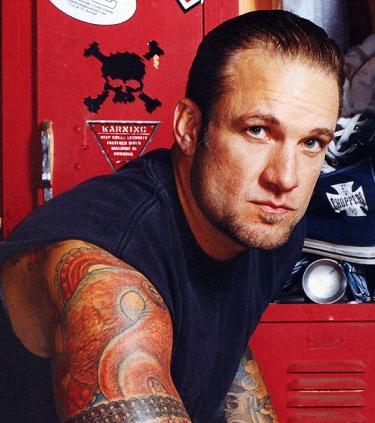
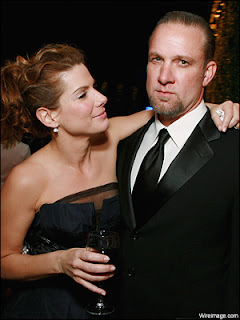
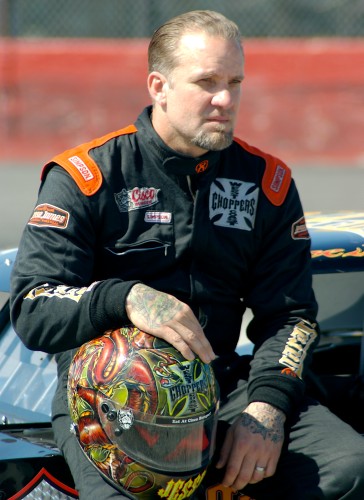
As much as we all think he is the ultimate DOUCHEBAG, most of us probably can’t wait for Jesse James to release his tell-all book. The 41-year-old will be releasing his memoir entitled American Outlaw with Simon & Schuster’s Gallery Books which is sure to cover all of the mess in his live including his marriage to the lovely Sandra Bullock and the cheating romance with the questionable Kat Von D. Can you tell we are team Bullock?


Jesse James Bike
Jesse James Bike
Jesse James Bike
Jesse James Bike
Jesse James Bike
Jesse James Bike
Jesse James Bike
Jesse James Chopper

Sunday, December 4, 2011

Kawasaki kept passengers on the Versys 100


Engine: Liquid-cooled, DOHC 4-stroke Inline-four
Displacement: 1043cc
Bore/Stroke: 77 X 56mm
Compression Ratio: 10.3:1
Fueling: EFI 38mm Keihin throttle bodies
Ignition: Digital
Frame: Aluminum twin-tube
Rake/Trail: 27-degrees/4.2 in.
Clutch: Wet multi-disc
Transmission: 6-speed
Final Drive: Chain
Wheel Travel – Front: 5.9 in. Rear: 5.9 in.
Tire – Front: 120/70ZR17
Rear: 180/55ZR17
Suspension - Front: 43mm inverted fork
Rear: Horizonal back-link, gas-charged shock
Brakes – Front: Dual semi-floating 300mm petal discs w/ dual opposed 4-piston calipers
Back: Single 250mm petal disc w/single-piston caliper
Wheelbase: 59.84 in.
Seat Height: 33.27 in.
Fuel Capacity: 5.5 gal.
Weight (claimed curb wt.): 526.9 lb.

Honda CB1000R as a 2011 model though its been available in Europe


The U.S gets its first taste of the Honda CB1000R as a 2011 model though its been available in Europe since 2008. The Honda CB1000R offers decent real-world performance and makes for a street-friendly ride with predictable handling. While its raw performance trails some of the more expensive competition, the 2011 Honda CB1000R still offers tremendous performance at a low price point. The Honda may lack in raw engine performance but it produces street-friendly torque and more than enough oomph for hooligan antics on the street for those inclined.